
The construction and commercial facility management industries are undergoing a massive transformation in 2026. Driven by tightening environmental regulations, rising material and disposal costs, and demanding project timelines, operators across civil engineering, building construction, and enterprise facility management are forced to re-examine fundamental operations. At the heart of this shift lies a critical, often overlooked element of infrastructure and waste management: compaction technology.
Whether densifying cohesive soils in a deep trench, preparing base layers for multi-story foundations, or reducing bulk trash volume in commercial waste streams, effective compaction directly dictates long-term structural integrity, operational efficiency, and bottom-line profit.
In this article, we explore the latest technological advancements, equipment trends, and operational strategies shaping modern ground engineering and site waste management in 2026.
1. The Physics and Science of Modern Soil Compaction
Compaction is fundamentally the process of mechanically increasing the density of a material by removing air voids. In soil mechanics and civil earthworks, proper density prevents soil settlement, increases load-bearing capacity, reduces water seepage, and minimizes frost damage or swelling.
Different soil types require distinct physical mechanisms to achieve maximum dry density (Proctor density):
- Cohesive Soils (Clay and Silt): Characterized by fine particles that stick together through electro-chemical bonds. They require concentrated, high-impact force rather than high-frequency vibration to break particle bonds and expel trapped air.
- Granular Soils (Sand and Gravel): Consist of larger, non-cohesive particles. They respond best to high-frequency vibratory force, which rearranges particles into a denser matrix.
- Semi-Cohesive and Mixed Soils: Require a hybrid approach utilizing padfoot rollers or heavy-duty tamping equipment to penetrate surface layers and bind materials uniformly.
Understanding soil mechanics is essential before selecting jobsite machinery. Applying a high-frequency vibratory plate compactor to heavy clay, for example, results in surface crusting without deep penetration, leading to structural failures later in the building lifecycle.
2. Next-Generation Heavy Equipment Trends in 2026
As construction sites digitize, compaction machinery has evolved beyond simple mechanical brute force. Key trends reshaping heavy equipment fleets include:
Intelligent Compaction (IC) Systems
Modern rollers and compactors now come equipped with onboard accelerometers, global navigation satellite systems (GNSS), and infrared temperature sensors. Intelligent Compaction (IC) provides operators with real-time feedback on soil stiffness and pass counts directly on an in-cab display. This prevents over-compaction—which can break soil bonds or fracture aggregates—and eliminates under-compaction, ensuring consistent structural integrity.
Electrification and Battery-Powered Compactors
To meet strict zero-emission mandates in urban environments and enclosed job sites, electric compactors have transitioned from niche prototypes to mainstream essentials. Electric rammers and forward vibratory plates eliminate tailpipe emissions and significantly reduce noise pollution, enabling night shifts and interior renovation work without expensive ventilation setups.
Autonomous and Remote-Controlled Operations
Hazardous working environments, such as deep trench excavation, hazardous material sites, and steep embankment fills, increasingly rely on remote-controlled or autonomous compactors. Remote-controlled trench rollers keep workers safely out of unstable excavations while delivering precise, deep-impact compaction.
3. Commercial Waste Compaction: Optimizing Facility Operations
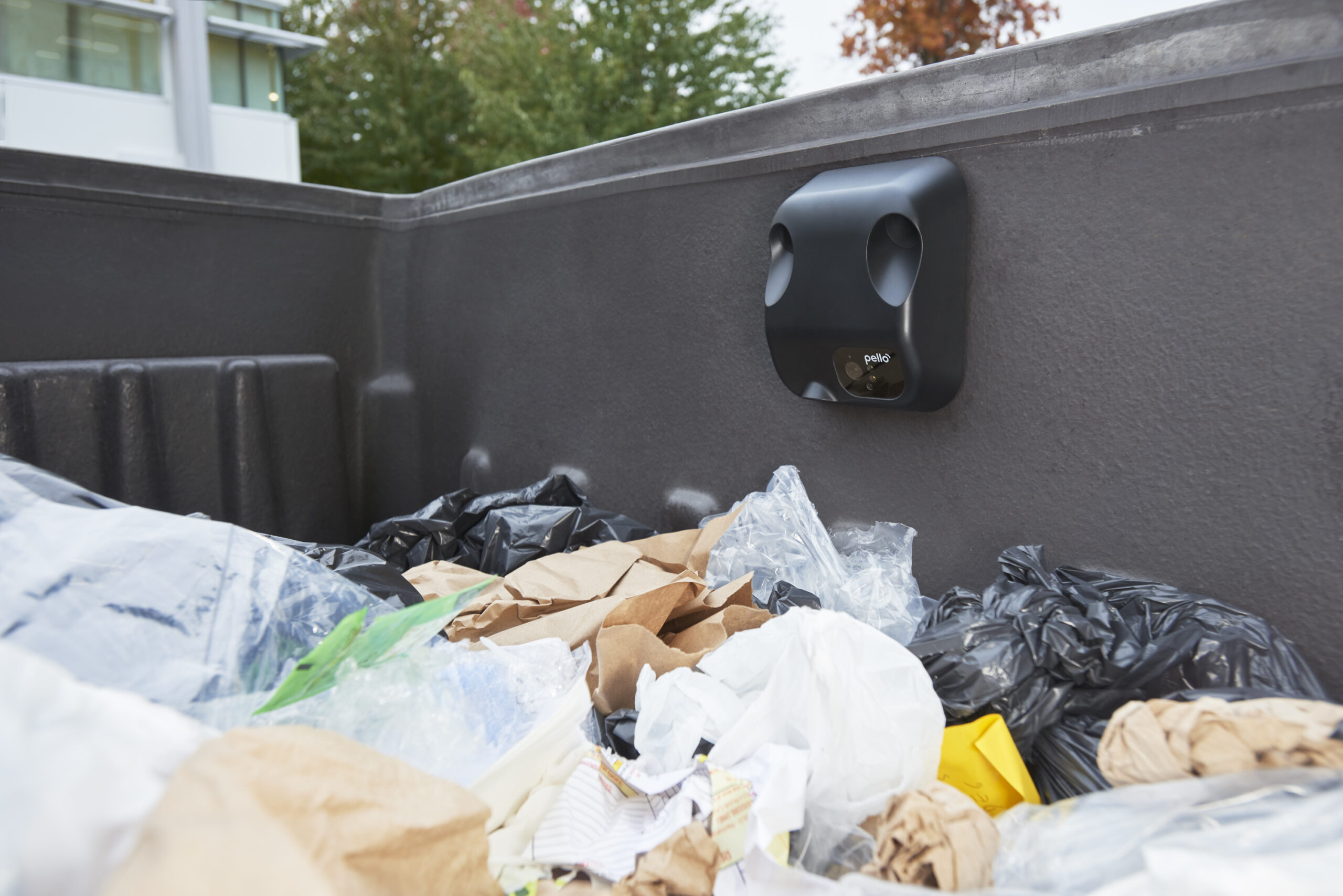
Compaction technology extends far beyond earthworks. In commercial real estate, logistics hubs, manufacturing plants, and hospitality sectors, waste management represents a major recurring operational cost. Bulk waste—including cardboard, dry commercial refuse, and organic matter—occupies vast amounts of container space when left uncompacted.
Uncompacted waste leads to frequent haul-off schedules, higher carbon emissions from transport vehicles, and bloated municipal waste fees. Commercial trash compactors address this challenge by compressing refuse at ratios ranging from 3:1 to 5:1, dramatically reducing container volume and haul-off frequencies.
For facilities looking to streamline waste handling, lower haulage expenses, and upgrade equipment, turning to experienced local partners like Jackson Compaction provides tailored solutions—ranging from roll-off container services and trash compactor sales to specialized equipment repair and maintenance.
Integrating dedicated waste compaction machinery yields multiple immediate benefits:
- Direct Cost Reduction: Reducing dumpster pulls from four times a week to once a week directly cuts municipal hauling charges.
- Enhanced Sanitation and Pest Control: Sealed self-contained compactors lock in liquid waste and odors, preventing pest infestation and stormwater contamination around loading docks.
- Improved Jobsite Safety: Containing loose trash prevents debris from scattering across parking lots and minimizes fire hazards associated with overflowing open dumpsters.
4. Selecting the Right Equipment for Your Project
Matching the exact machinery to your operational scope is essential for maximizing ROI and jobsite productivity. Below is a practical breakdown of core compaction machinery types used in modern construction and site work:
| Compactor Type | Primary Mechanism | Best Applications | Typical Material |
|---|---|---|---|
| Jumping Jack (Tamping Rammer) | High-impact vertical strikes | Narrow trenches, utility pipes, footings | Cohesive clay, silt, mixed soils |
| Vibratory Plate Compactor | High-frequency vibration | Patios, driveways, asphalt patching, pavers | Granular sand, gravel, stone dust |
| Padfoot Roller (Footed Drum) | Kneading action and pressure | Heavy earthworks, highway bases, slopes | Cohesive clay and heavy soils |
| Smooth Drum Roller | Static weight + vibration | Asphalt paving, sub-base finishing | Non-cohesive soils, asphalt |
| Stationary Waste Compactor | Hydraulic ram pressure | Commercial facilities, retail centers, plants | Cardboard, dry refuse, mixed waste |
5. Best Practices for Maintenance and Operator Safety
Even the most advanced compaction machinery will underperform or experience early mechanical failure without rigorous operational protocols.
Pre-Operation Inspection Protocols
Before starting any compaction task—whether running a 150 lb jumping jack or a 15-ton drum roller—operators must perform daily checks:
- Fluid Levels: Inspect engine oil, hydraulic fluid, and fuel reserves.
- Air Filtration Systems: Soil and waste compaction generate high volumes of fine dust. Clean or replace air filters frequently to prevent engine wear.
- Vibration Isolation Mounts: Check rubber shock mounts and bellows for cracks or deterioration, as worn dampers transfer extreme vibration to the operator or engine housing.
Soil Moisture Optimization
A common mistake on earthwork job sites is attempting to compact bone-dry or overly saturated soil. Dry soil particles resist sliding into a dense matrix due to friction, while overly wet soil turns into a slurry that bounces under impact without gaining density. Performing a simple field ribbon test or hand-squeeze test ensures soil moisture sits near its Optimum Moisture Content (OMC) before pass execution.
Conclusion
As engineering specifications become stricter and sustainability benchmarks rise, compaction technology remains a cornerstone of successful modern infrastructure and facility management. By combining intelligent compaction sensors, proper equipment selection, proactive fleet maintenance, and efficient waste compaction practices, project managers and commercial operators can dramatically improve structural outcomes while lowering operational expenditure for years to come.